
Posted September 22, 2021
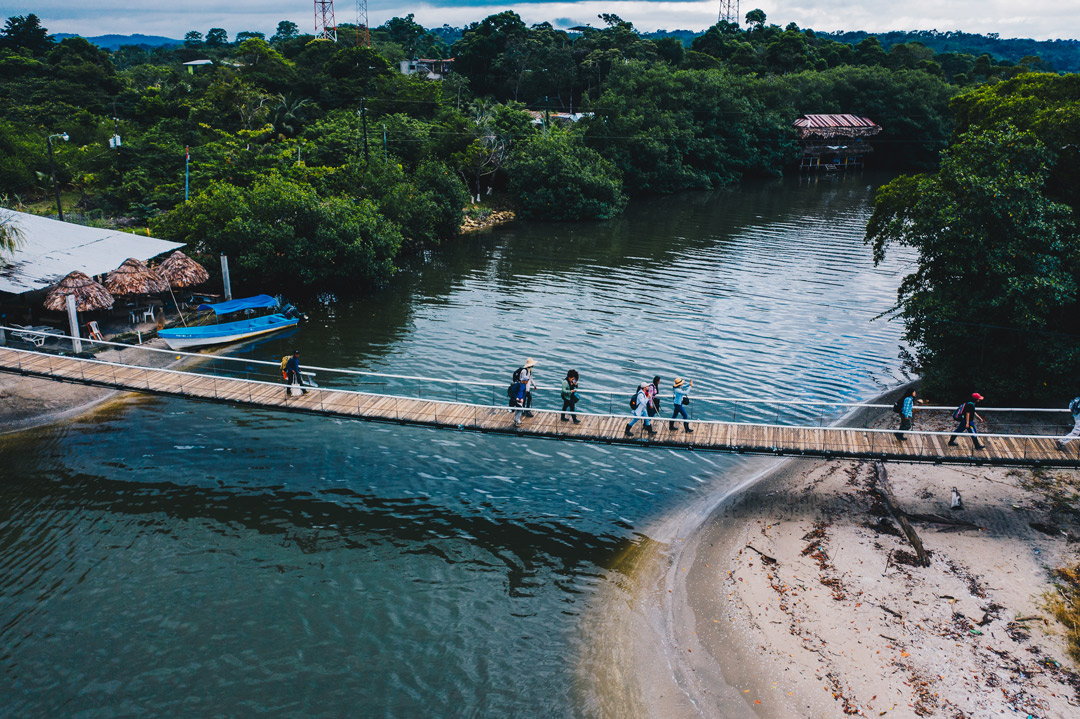
We have been deep in the swamps, marshes, rivers and lakes of the Municipio de Livingston, Izabal, Guatemala one week every month. Plus we are accomplishing field work on ecology, ethnobotany, and zoology in the Reserva de la Biosfera Maya also one week every month. So we have not posted news since April because we are so focused on our field work.
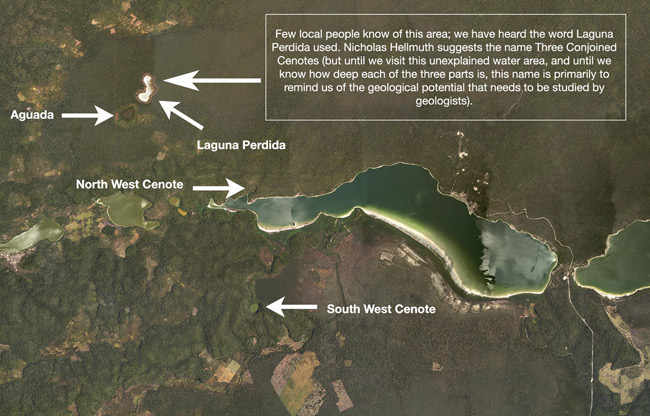
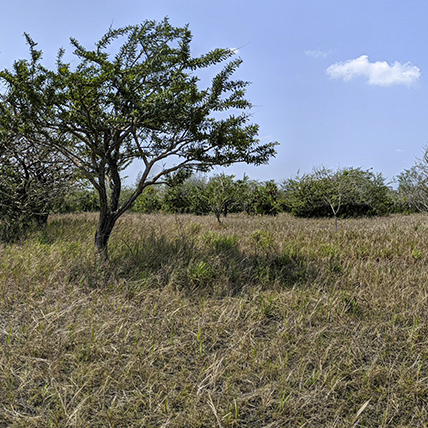
During recent months we have dedicated our time and resources for field work in remote rain forest areas of Guatemala to find savannas via satellite photos and then figuring out how to hike to these far-away never-before-studied biodiverse ecosystems. But when you work in remote areas you see why no intelligent professor tries to study these far away locations. We have added a new page to show one aspect of the hardships faced.
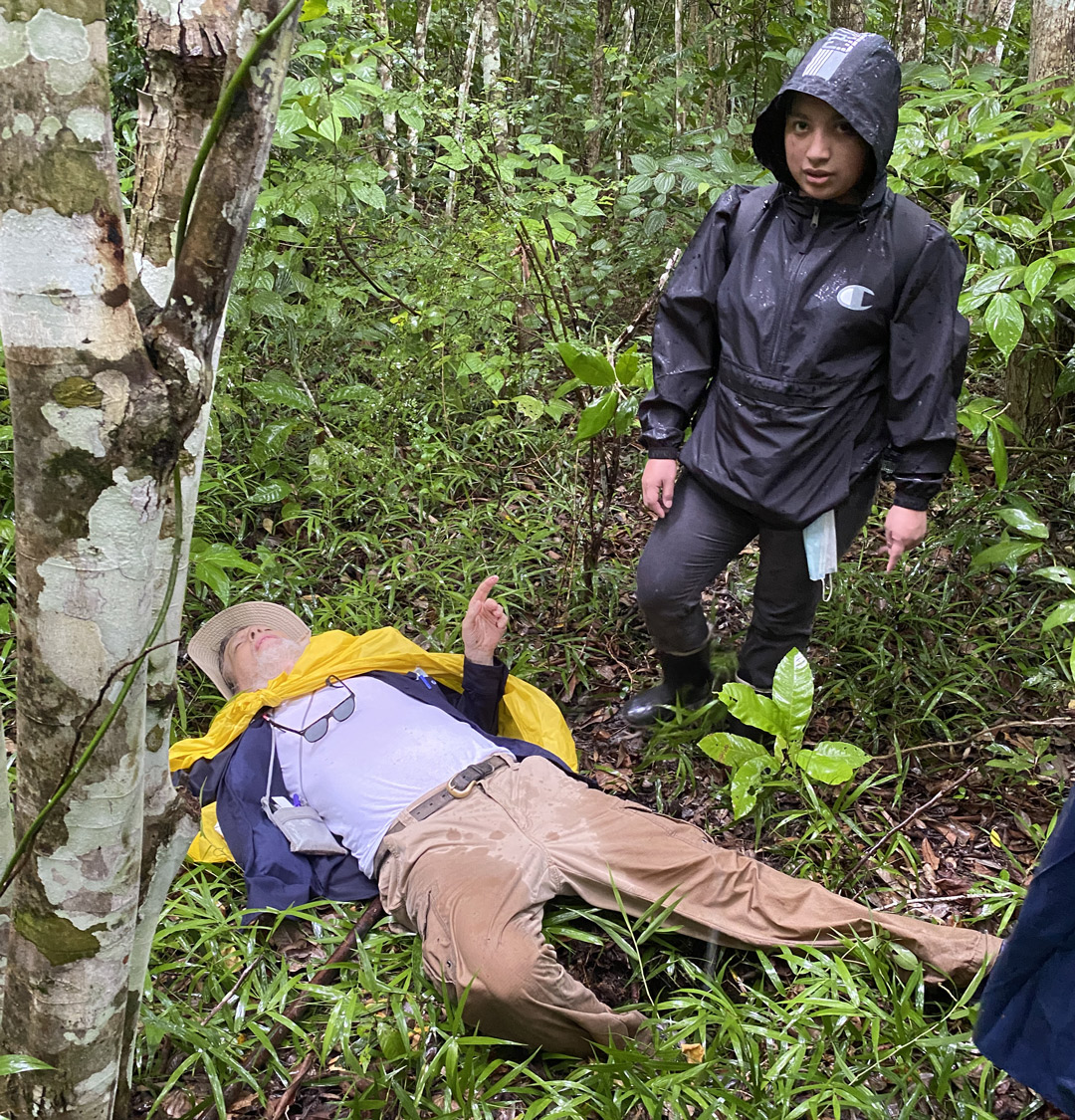
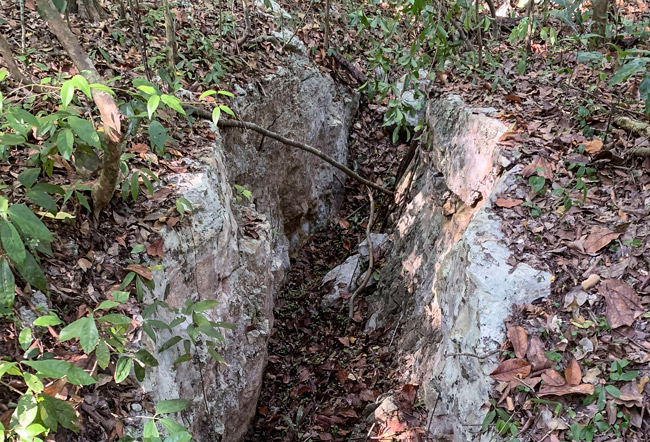
My foot went into a hollow depression left by large palm trees; when they die naturally then the trunk rots all the way underground (to where the roots are, far below the surface). So these open holes are often in the trail as we hike (up to 18 kilometers each day). When you are hiking fast, if one leg goes down into the hole your entire body is thrown flat on the ground within a second.
But I was helped up, and I hiked the remaining many miles back to our base camp.
This is one reason intelligent professors don't hike to these remote wetlands ecosystems in far-away parts of the rain forests.