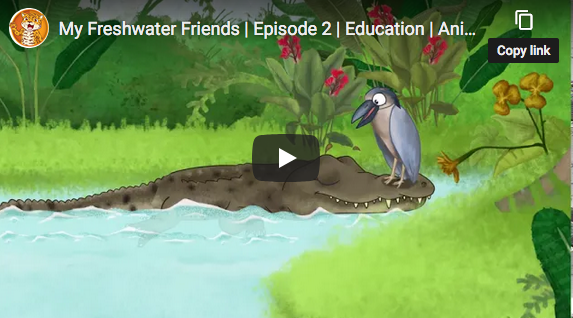
Here is the voice of Camila Morales narrating the English version of Episode 2 of MayanToons (Our Freshwater Friends, the Boat-Billed heron riding a friendly local Guatemalan crocodile).
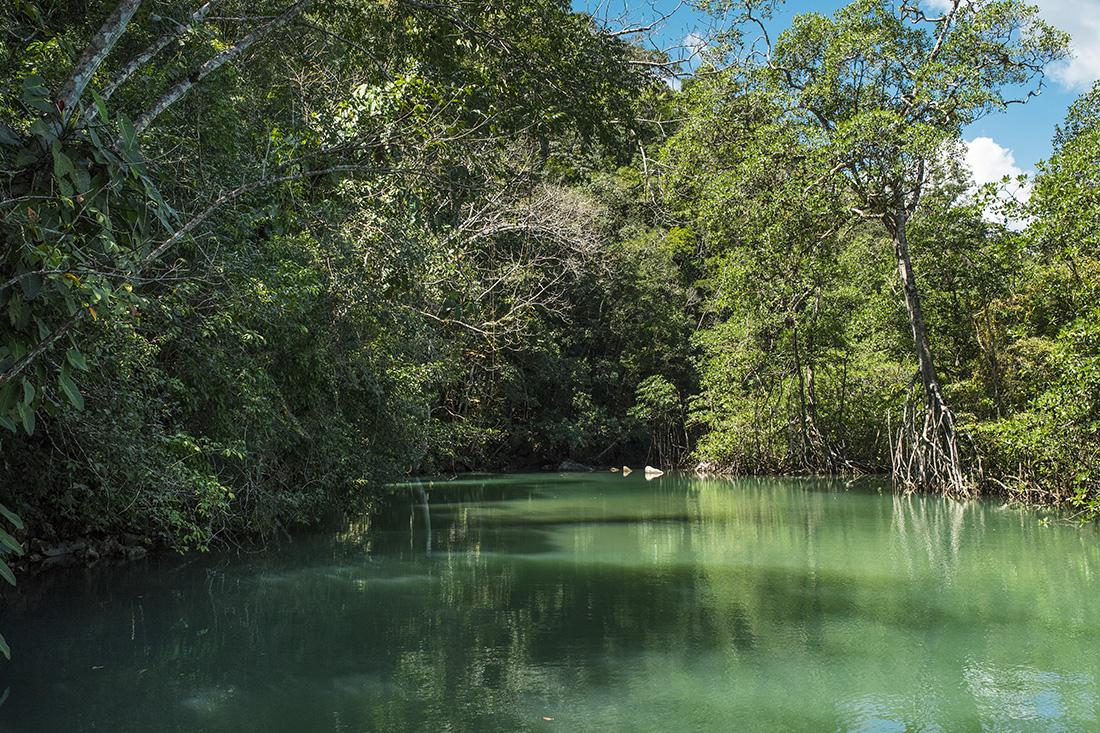
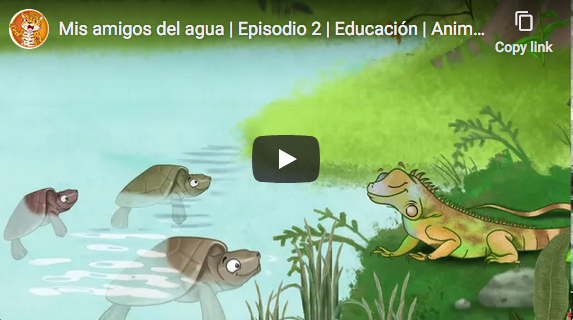
Juana the Iguana, Tappie the tapir, and an otter love the river that flows through the rain forest.
Quinoa is the Superfood of the Incas of the Andes Mountains of Peru. Amaranth is known as the Superfood for the Aztec of Mexico, but growing it was banned by the Spaniards (because it was associated also with Aztec religious ceremonies).
Quinoa is found in supermarkets in Guatemala in various brands, and in most supermarkets in USA. But, amaranth is not in the giant supermarket near my office. And not in the organic food chain stores here either (in USA). Only very few stores have amaranth. In Guatemala I have found it only in an organic food store (so not in most supermarkets).
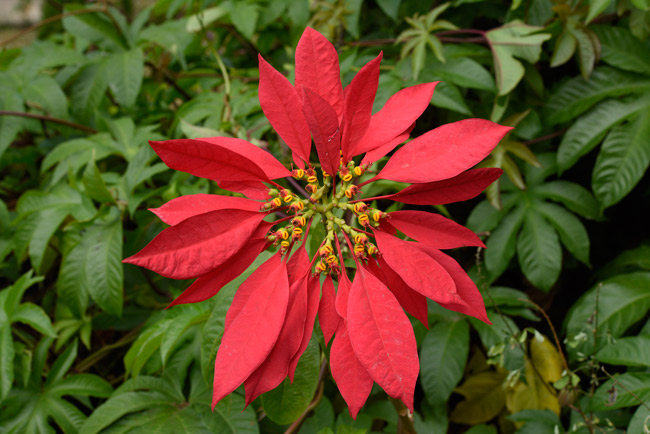
This is unfortunate since amaranth is native to Guatemala (in addition to Mexico and elsewhere) and is widely grown throughout the Maya Highlands (often as a decorative plant). But once I found out how healthy amaranth is (and its leaves, named bledo in Guatemala), I like to remind the world to speak with the managers of their local supermarkets to get amaranth available. It comes in raw seeds of “popped” or in flour. Yes, I eat amaranth pancakes as an excuse to cover my meal with honey.
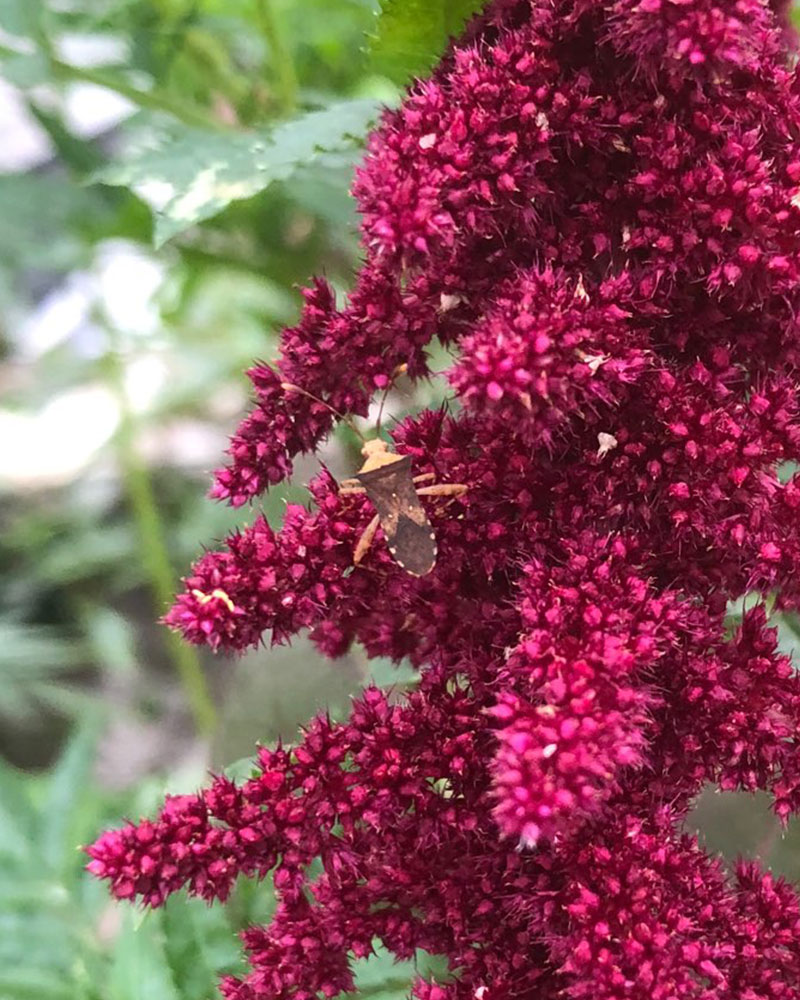
This week Vivian Hurtado took a photograph of one of the many amaranth plants in our research garden. Other species and other varieties come in different colors.
Note the happy beetle that is wandering around on the left (you can see the beetle if you Click to Enlarge).
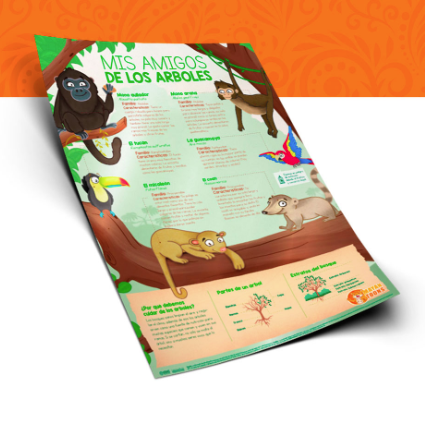
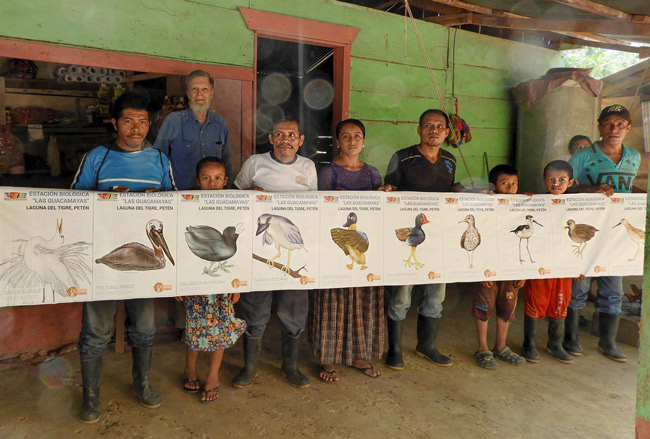
Our long range goal is to have educational videos to help children learn which plants and which animals are in each ecosystem of the Maya areas: savannas, hills (especially karst geology), aguadas, wetlands (riversides, mangrove swamps, etc.). We start with the Maya Lowland areas (Peten and everything around it): Once a generous considerate individual, family, NGO, or foundation provides funds, we can increase our team size and create more impactful videos. But we wanted to go ahead and start with initial concepts (once funds come in we will use Maya musical instruments, have more action, etc.).
We are starting to ask for reviews by people: Sofia Monzon, mother of Jade Torres, kindly did a cellphone video of her daughter watching the new video. Would help greatly to have more feedback (what the parents would like added or subtracted; what the children would like added or subtracted).
So here is Episode 2 being watched by a young Guatemalan child, age 4. She does not know that the music was provided by her aunt (the sister of her father).
Here is the actual video, Spanish edition (2 entertaining minutes on riverside creatures of Guatemala, Central America).
Please send your reviews to us at MayanToons FLAAR.org Just put the symbol into the empty space and close the spaces. It helps to know the age of the child that watched it. Your comments can be in English or Spanish.
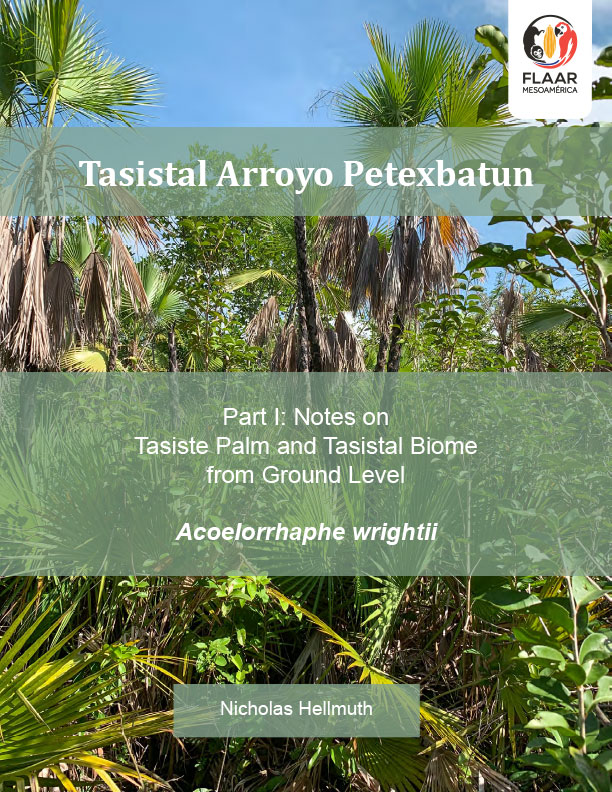
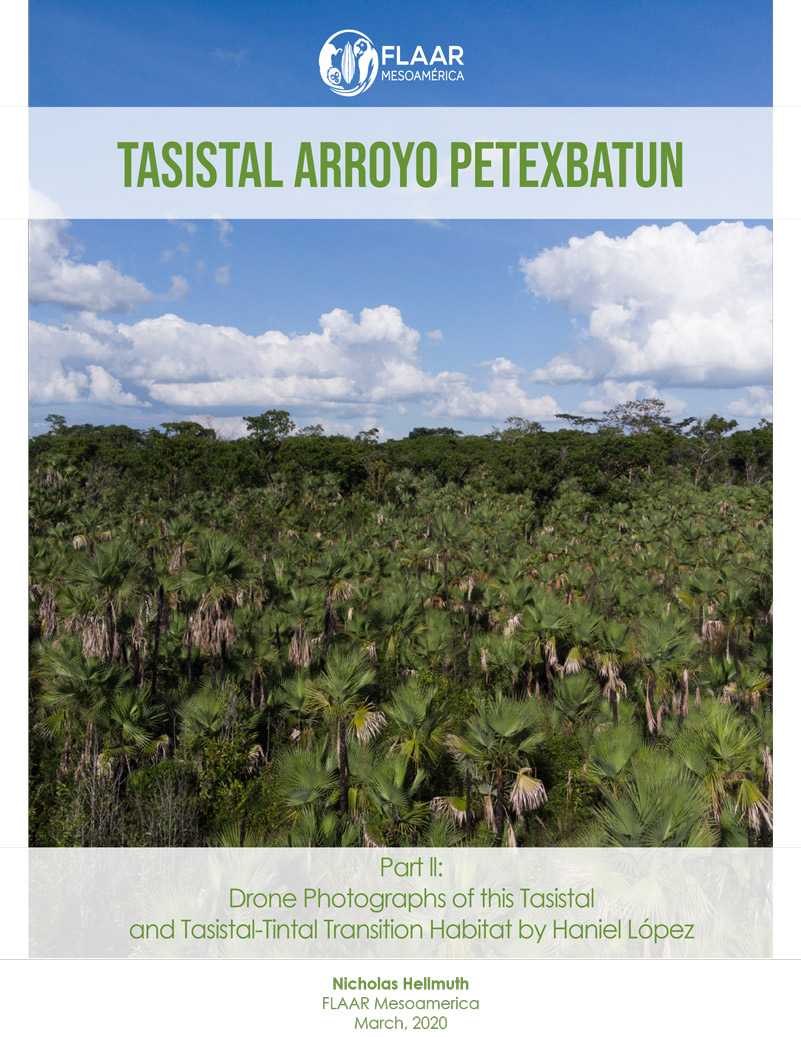
Finding, photographing, researching, and publishing these tasistal areas was a learning experience. I would like to share all of this with government agencies, universities, forestry and wildlife organizations, and students. So we now have four reports for you.
My personal style is as a photo essay, so each report is primarily photographs of the Acoelorrhaphe wrightii palms, locally known as tasiste palm. And area where they grow en masse, with up to a million palms in a small packed area, is called a tasistal.
Tasistal Arroyo Petexbatun, photos from ground level part I
Tasistal Arroyo Petexbatun, drone photos part II
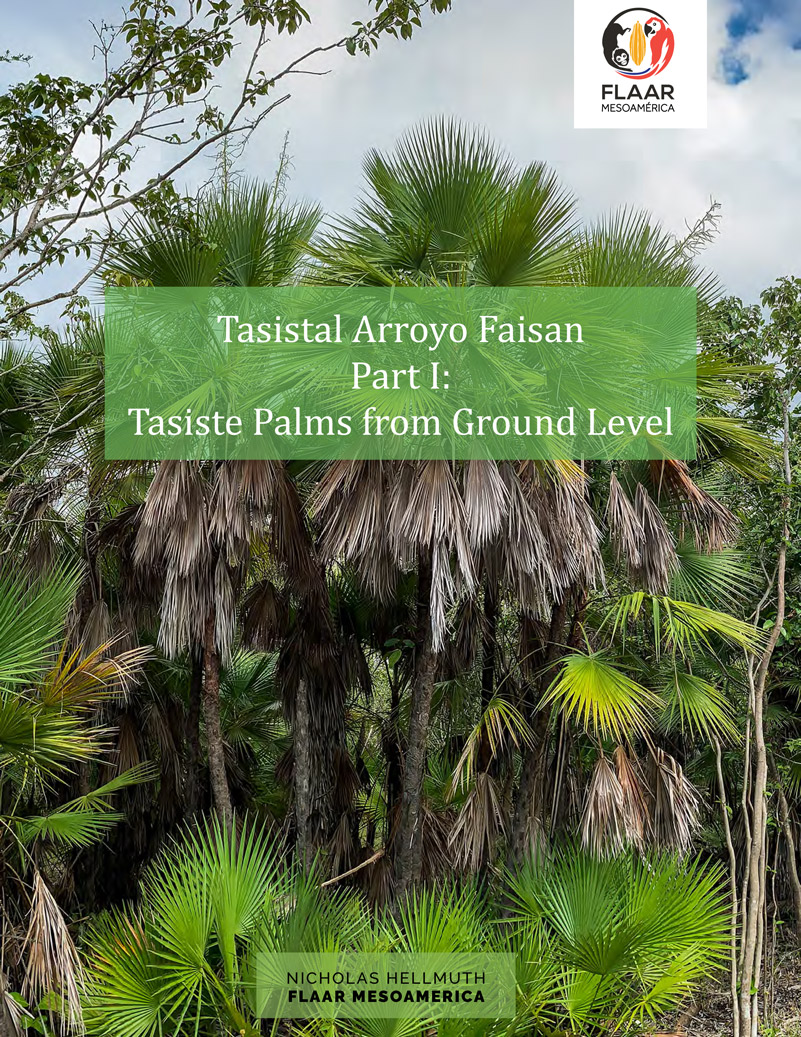
Tasistal Arroyo Faisan, photos from ground level part I
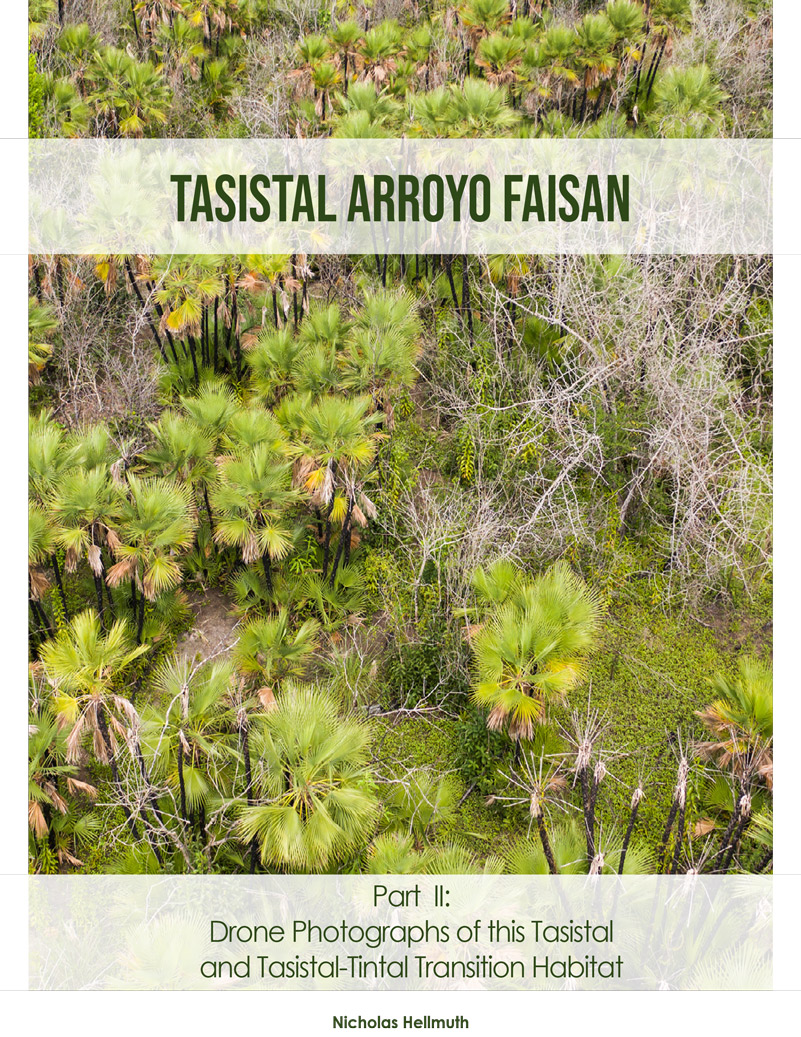
Tasistal Arroyo Faisan, drone photos part II
I hope that ecologists, geologists, archaeologists, botanists, and zoologists will be curious and want to visit these tasistal ecosystems. What was growing here 2000 years ago when the Maya cities of Aguateca and Petexbatun were not far away (up in the hills a few kilometers away)?
This series of photographs of ecosystems of Izabal and Peten is available in two formats, 6MB and 27MB. You can post this, share it, use in in your classrooms presentations (no permission required).
The Spanish original (with video and voice) is already available below. The PowerPoint (in .pdf format, above) is updated with additional written text.